The world, at least my world, seems abuzz with controversy over the build-out of data centers to support our thirst for artificial intelligence (AI). The controversy stems from the tension between the benefits of AI to the entities that profit from the technology and the impacts of data centers on the environment, energy consumption, and the psychological well-being of nearby residents. Much of the buzz focuses on these not-insignificant, near-term issues, which is entirely warranted. Immediate problems need immediate solutions. Discussing those meritorious issues is not the purpose of this article. Rather, the question here is what the long-term evolution of today’s data centers will look like.
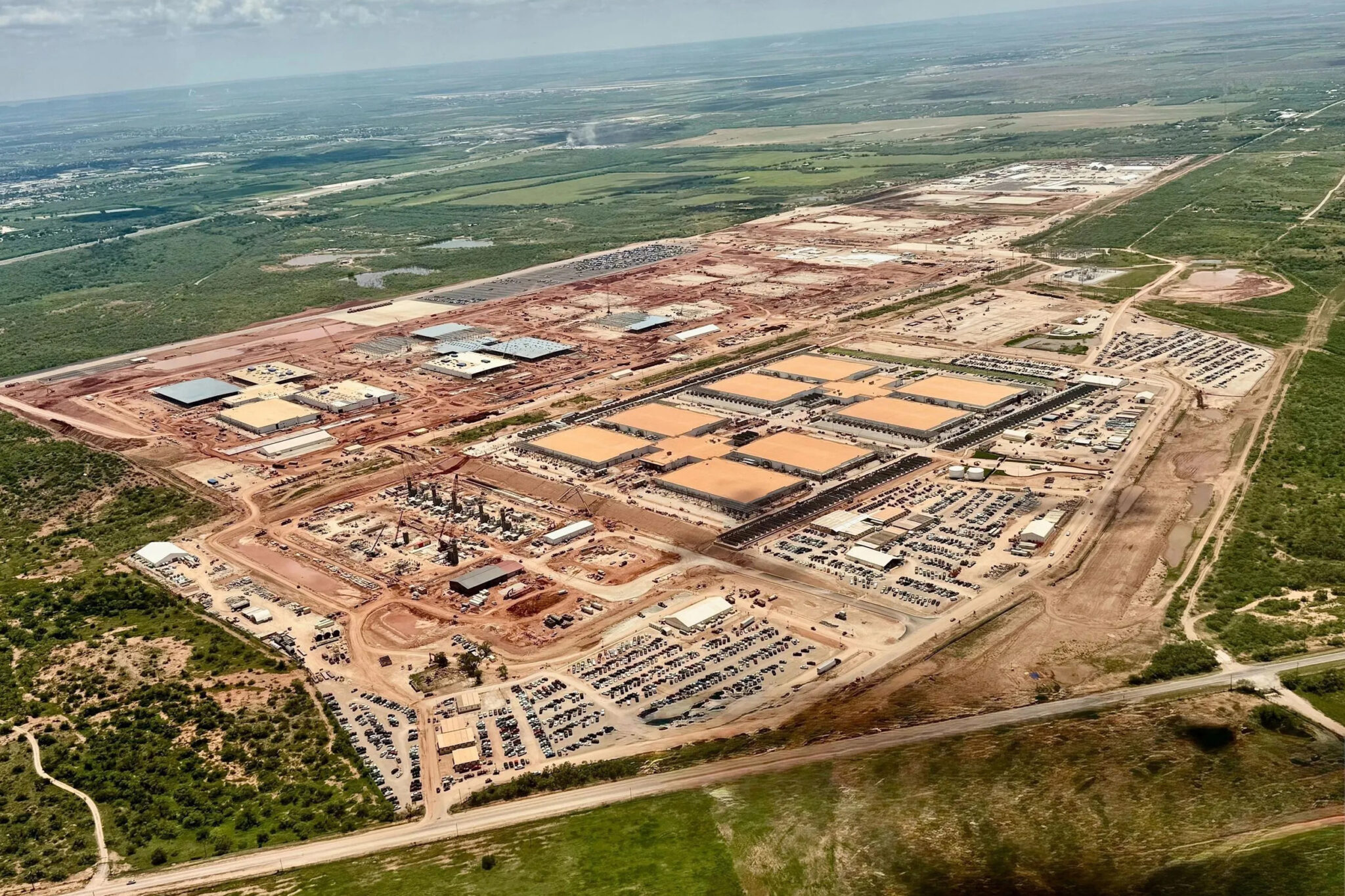
An interesting mind exercise is to go beyond those pressing issues and think about where the road we’re on will eventually take us, not this month or the next few years. What will the data center landscape look like, both figuratively and literally, in 10 years, 20 years, or 100 years? One thing is certain: the road will profoundly change. Today’s AI-enabling technology requires massive computational capacity to be effective. Inevitably, that will change. In which direction, I do not know. The pre-Socratic Greek philosopher Heraclitus [i] is said to have observed that “you could not step in the same river twice,” often modernized as “The only thing that is constant is change.” [ii]
A relevant question is whether the massive CAPEX required to build these centers will ever be recovered before they become as obsolete as the ENIAC computer of the 1940s. As you may remember, the ENIAC is recognized as one of the first programmable computers, developed from 1943 to 1945. It was a behemoth, weighing 30 tons, spanning 1,500 square feet, and using roughly 18,000 vacuum tubes, 70,000 resistors, and 10,000 capacitors while consuming 150–160 kW of power. It was revolutionary for its calculating speed of 5,000 additions per second.

Fast forward to the iPhone in the palm of your hand. Comparing ENIAC’s addition speed to an iPhone isn’t a perfect comparison, but today’s iPhone can perform trillions of AI operations per second, consumes around 5 watts, and weighs around 8 ounces.
Is it a stretch to imagine that the technology in data centers may follow a similar course? Will the gains from AI justify the potential lasting impacts of the data centers that make AI possible? In other words, is the AI juice worth the data center squeeze? I don’t necessarily like my answer, but it probably is. I can’t think of any scenario in which we go back to the pre-AI days. This genie has left the bottle.
And even if technology produces faster chips, other developments may have a greater impact on AI efficiency, including improved algorithms, replacing inefficient computational methods, and teaching smaller models to perform like larger ones. The one I find most interesting, or alarming, is the theoretical concept of Recursive Self-Improvement (RSI), a process by which an AI system improves its own algorithms and capabilities, enabling it to become increasingly effective at making further improvements. No human input needed. If this feedback loop ever comes to fruition, it could accelerate technological progress dramatically. Data centers could become smaller, but they could also become even larger thanks to induced demand and the rebound effect.
Even if all these efficiency improvements occur, there’s no guarantee data centers will shrink. As they become more efficient, I think it’s likely their use will expand to consume the additional capability. It’s reminiscent of the Jevons paradox, in which improvements in the efficiency of using a resource lower its effective cost, potentially increasing total consumption rather than reducing it.
Nothing discussed here resolves the tension we see today. Relatively few people are directly impacted by a nearby data center, but their impacts are quite real and, I would say, unfair. The tension is that those most affected will not reap the benefits. Those rewards are reserved for the data center owners and the large corporations harnessing AI for the presumed massive profits it will help generate… for them.
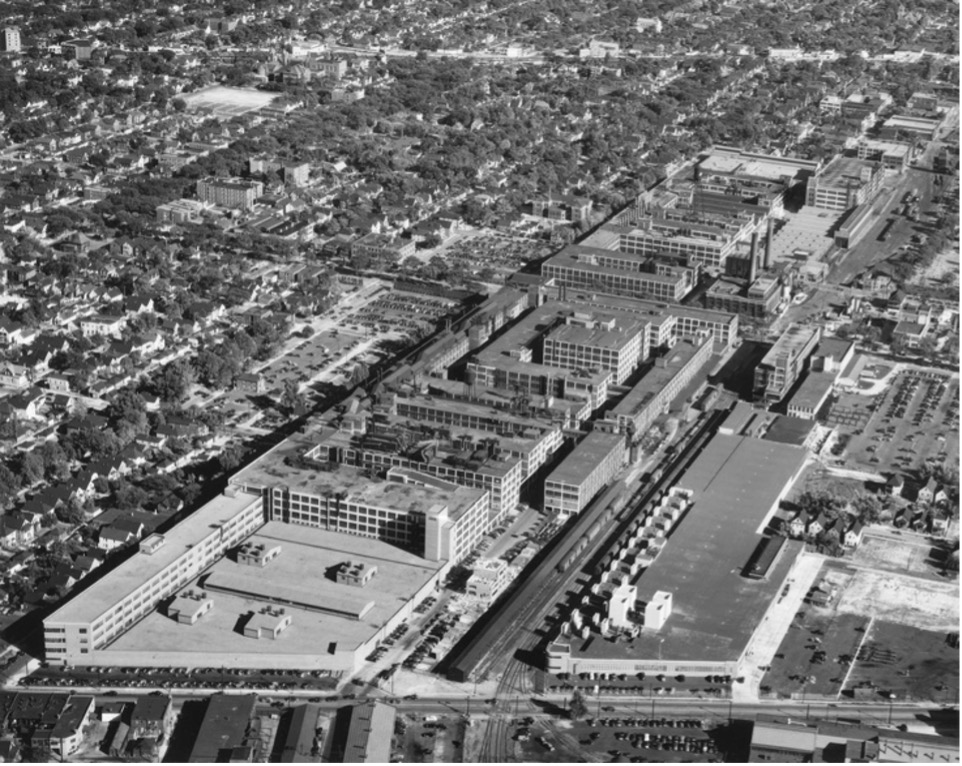
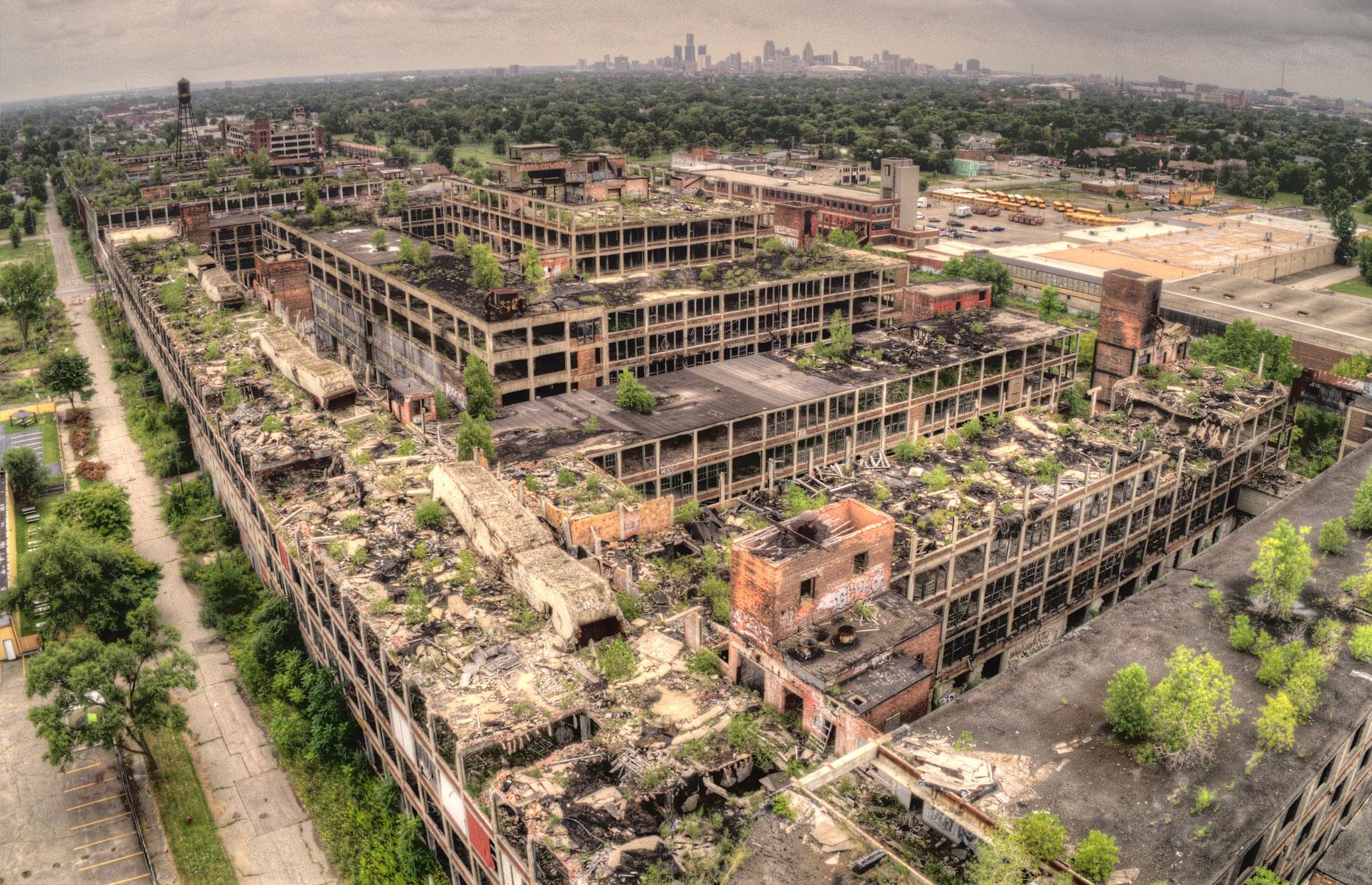
Farmland converted to data center sites may remain scarred for centuries, much like the state-of-the-art car factories of the 1940s and 1950s. And here’s where my philosophy won’t settle with some people: the scars won’t matter to our planet, where a century is 22 nanoseconds in the 4.5 billion year history of the earth. I feel certain those scars will eventually disappear. Of course, nobody alive today will be here to witness that reclamation.
[i] Born c. 6th century BC, Ephesus, Ionia, Persian Empire
[ii] “δὶς ἐς τὸν αὐτὸν ποταμὸν οὐκ ἂν ἐμβαίης.”

